Rethinking Assessment in Higher Education: Inclusive, Feedback-Rich, and AI-Supported Practices
| University | INGENIUM European University |
|---|---|
| Field of Study | Higher Education Pedagogy / Faculty Development |
| Areas of Interest | EDI (Equity, Diversity, Inclusion) |
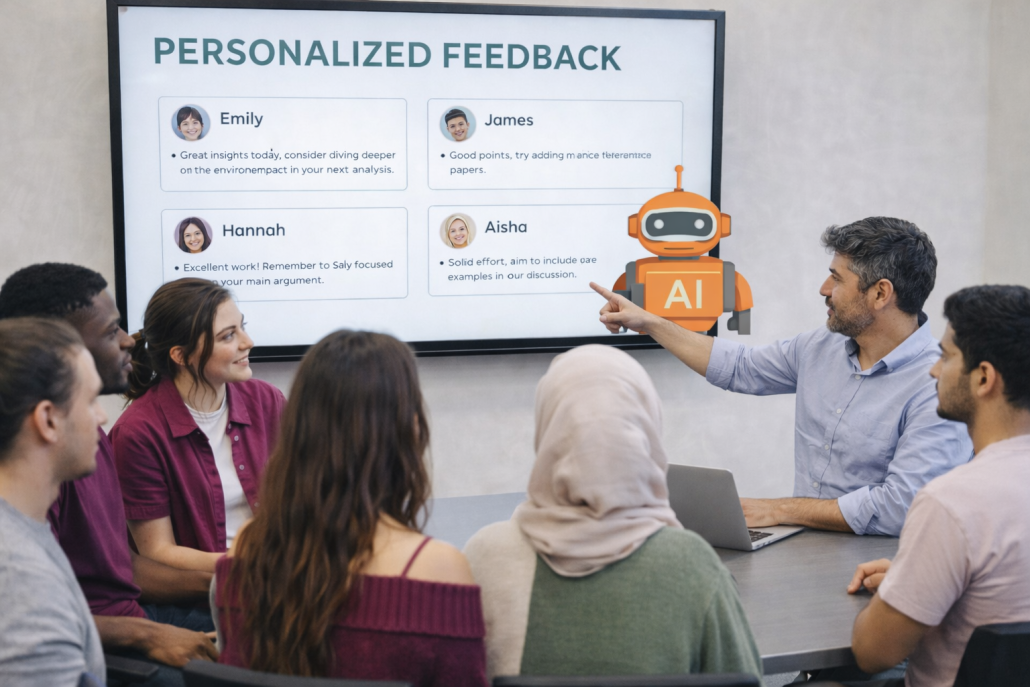
| Description | This course supports higher education staff in rethinking assessment as an inclusive, learning-oriented, and feedback-rich pedagogical practice. It moves beyond assessment as measurement, foregrounding assessment as learning, participatory design, and student agency, while addressing the pedagogical and ethical implications of AI-supported assessment. Drawing on research-informed practices and case studies from across the INGENIUM Alliance, the course focuses on assessment literacy, co-creation of criteria and rubrics, multimodal and culturally responsive assessment, sustainable feedback and feed-forward systems, and responsible uses of generative AI. A central component of the micro-credential is practice-based professional learning: participants redesign an assessment element in their own teaching context, implement it, and critically reflect on the process through a small-scale action research report. Peer-coaching and reflective judgment are embedded throughout the course. |
| Start Date | 08/01/2026 |
| End Date | |
| Instructor | |
| Type of Learning | self-learning |
| Format of Learning Material | Expert video lectures, PowerPoint presentations, Multilingual transcripts, Formative multiple-choice quizzes with automated feedback, Guided reflective questions, Peer-coaching activities, Practice-based action research project |
| Target Group | Faculty members, university teachers, instructors, and educators across disciplines in higher education. |
| Type of Learning Opportunity | Course |
| Keywords / Tags | |
| Learning Outcomes | Upon successful completion, learners will be able to:
|
| Contents and Methods |
|
| Type of Assessment | |
| Study Materials | Indicative thematic units include:
|
| Prerequisites to Enrol | None. |
| Level | |
| Type of Credential | |
| ECTS | 8 |
| Registration | https://elearn.ingenium-university.eu/enrol/index.php?id=48 |
| Contact Details | Kallia Katsampoxaki-Hodgetts, University of Crete: katsampoxaki@uoc.gr |
| Number of Study Places | |
| ISCED |



Funded by the European Union. Views and opinions expressed are however those of the author(s) only and do not necessarily reflect those of the European Union or the European Education and Culture Executive Agency (EACEA). Neither the European Union nor the granting authority can be held responsible for them.

