4. February 2026
INGENIUM Alliance Consolidates Its Future as a European University Following Key Strategic Agreements in Romania
After last week’s Alliance Council meeting in Iași, the ten universities in the INGENIUM Alliance agreed on their strategy for 2027–2028, approved a common approach to micro-credentials, and strengthened their leadership and governance as they shift from a pilot to a long-term partnership.
IAȘI, ROMANIA, 4 February 2026.
The INGENIUM European University Alliance is moving toward closer integration as a transnational institution after a series of important meetings last week in Iași, Romania. The agreements made there will guide the alliance’s academic, legal, and financial growth in the next few years.
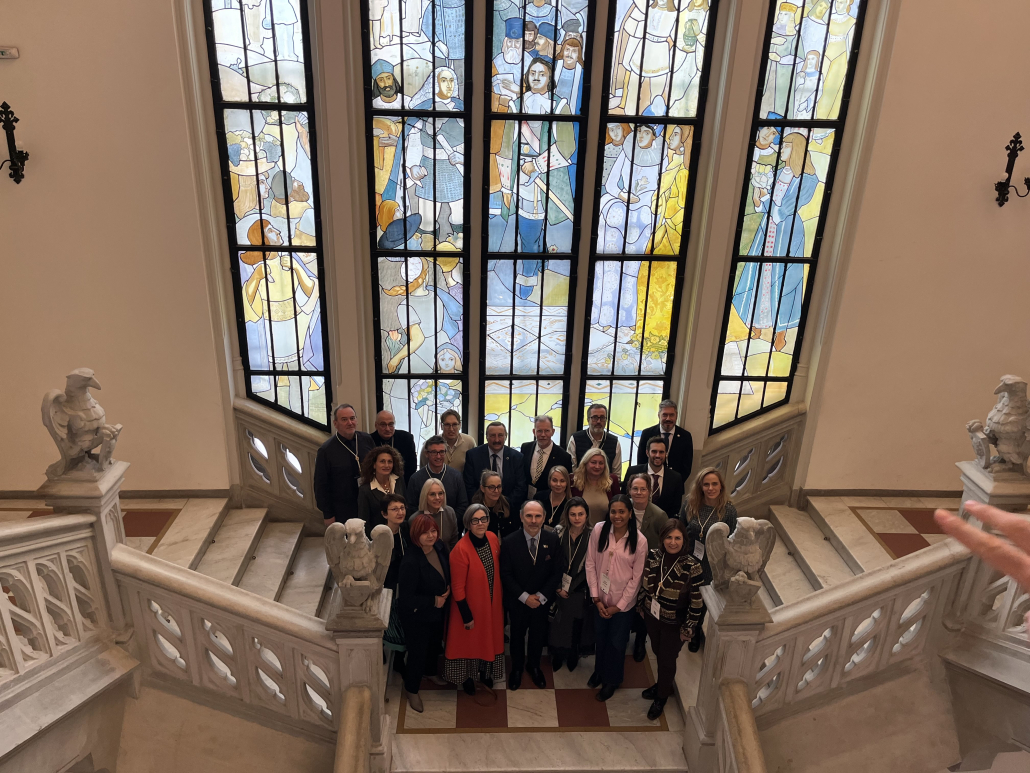
Hosted by “Gheorghe Asachi” Technical University of Iași at the Palace of Culture, the Alliance Council approved a detailed plan for the next European Commission funding call, agreed on micro-credentials, and confirmed the financial support needed to move forward with the ‘University of 10 Campuses’ model.
Strengthening the Academic Framework
A key result of the meeting was the approval of a framework for micro-credentials, led by the University of Oviedo. This agreement sets a shared process for creating, accrediting, and recognising short learning programmes in all ten partner countries. By aligning these with EU standards and job market needs, the alliance is expanding its joint educational options and supporting lifelong learning.
Looking back on the sessions, Professor Ignacio Villaverde, Rector of the University of Oviedo and Chair of the Alliance Council, said the partners have successfully “finalised the document containing the proposal that provides continuity to the INGENIUM Alliance for the next two years until 2028”. He added that much of the discussion was about quality assurance, especially for the new micro-credentials framework.
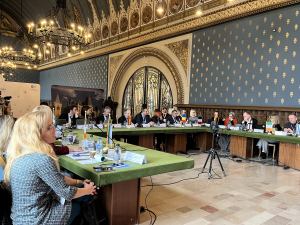
The decisions made in Iași also help the alliance reach its goal for the 2026/2027 academic year: fully launching the INGENIUM European Campus. The Council confirmed that creating shared degrees remains a main priority. The alliance is now moving ahead with its first joint Master’s programmes, such as Chemical and Biochemical Process Technology, with partners from Romania, France, and Spain, and a Master’s in Nursing and Acute Care, developed by universities in Finland and Bulgaria.
For students, these changes should have a clear and direct impact. Grace Etienne, President of the INGENIUM Student Board, stressed how important it is for students to be involved in top-level decisions. “Participating in the Alliance Council meeting as President of the Student Board was both meaningful and empowering. Having the student voice and vote represented alongside the Rectors showed that INGENIUM genuinely values students as active partners in shaping the alliance, and not just as beneficiaries of its outcomes”.
She also pointed out how the new roadmap leads to real opportunities. “The approval of the ‘Next INGENIUM’ roadmap makes cooperation across the alliance more tangible for students, not only through mobility, but also through joint programme initiatives that go beyond traditional exchange. In practice, this means students can develop both academic and transversal skills, gain international experience that adds real value to their future careers, and clearly see how strategic decisions translate into their everyday studies.”
Establishing a Legal and Financial Foundation
To help reach these academic goals, the Council agreed on a stronger joint budget model for 2026. This financial plan includes dedicated funding for joint education and mobility, making sure that Master’s and Doctoral programs are supported by all partner universities together.
The alliance is also making progress on the European Grouping of Territorial Cooperation (EGTC), a legal entity now being registered in Finland. Professor Villaverde welcomed the early agreement in Iași about future financial contributions to this group, saying it will “endow us with our own legal personality and allow us to operate before the European Commission and other agents as a single entity”. He called this a key step toward the long-term goal of building a fully integrated European university within the EU’s main initiative.
Student Representation and Leadership Transition
The meeting last week also strengthened the role of students in INGENIUM’s leadership, as the new Student Board has a formal place in the Alliance Council.
The meeting in Iași also marked a key leadership change. As the alliance moves into the last stage of its first funding period, Juan Rayón González has been named the new Director, helping to strengthen management for the future. Mr Rayón, an expert in European policy and former President of the Erasmus Student Network, takes on this role after working as the Alliance’s Strategic Manager.
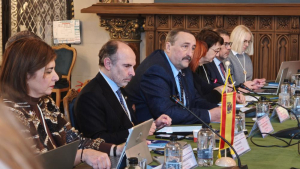
He takes over from Professor Ana Isabel Álvarez, whose three years as Director were formally recognised by the Council. Professor Villaverde praised her “effort and steadfastness” in leading INGENIUM from its early days to its current stage. Professor Álvarez will stay involved as a member of the Advisory Board, ensuring continuity as she returns to her academic post at the University of Oviedo.
European Commission Project Officer Ana Sofia Coutinho attended the meeting and confirmed the alliance’s progress after its mid-term review. With the strategic plan approved and the leadership team ready, INGENIUM is preparing to submit its new proposal in March. The goal is to secure funding through December 2028 and strengthen its place in the European Higher Education Area.