Insights from the last Junior Winter School 2026 – Sustainability in Action
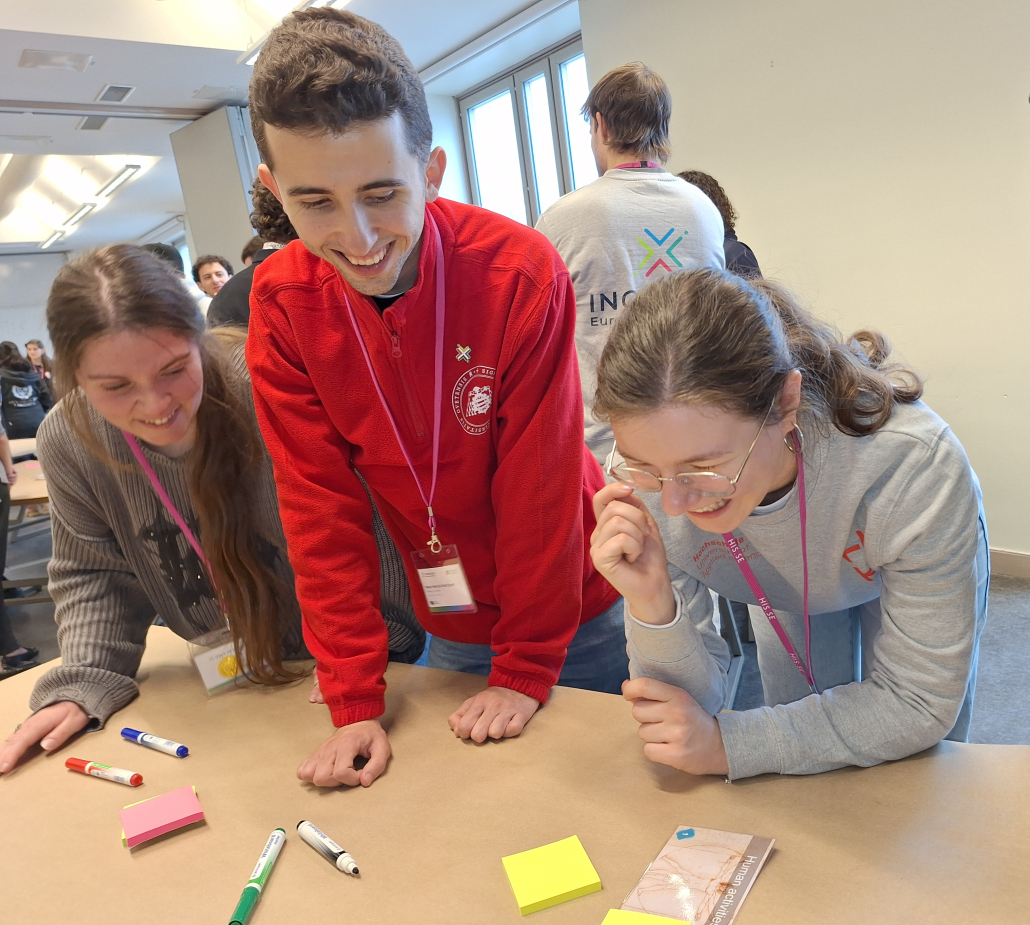
Under the theme “Sustainability in Action,” the 2026 edition of the INGENIUM Junior Winter School brought together 75 bachelor students at the University of Skövde, for five days of collaborative learning and exchange. The programme created a dynamic international environment where students could explore sustainability not only as a concept, but as a shared European responsibility.
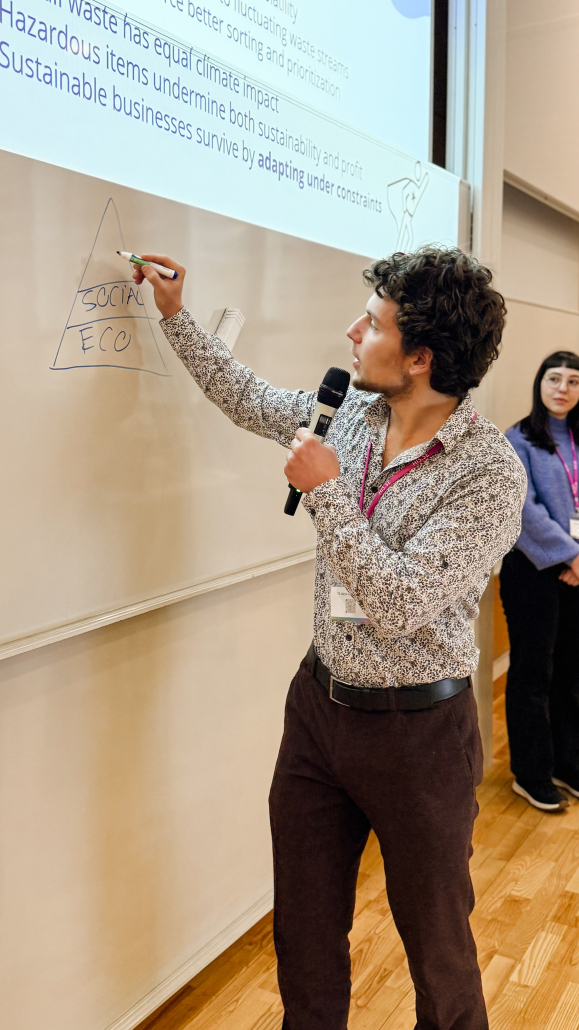
Three Dimensions of Sustainability
As part of the INGENIUM European University, which brings together 10 universities to collaborate on various fronts, this event offered a unique opportunity for bachelor students to engage with peers and staff from across Europe.
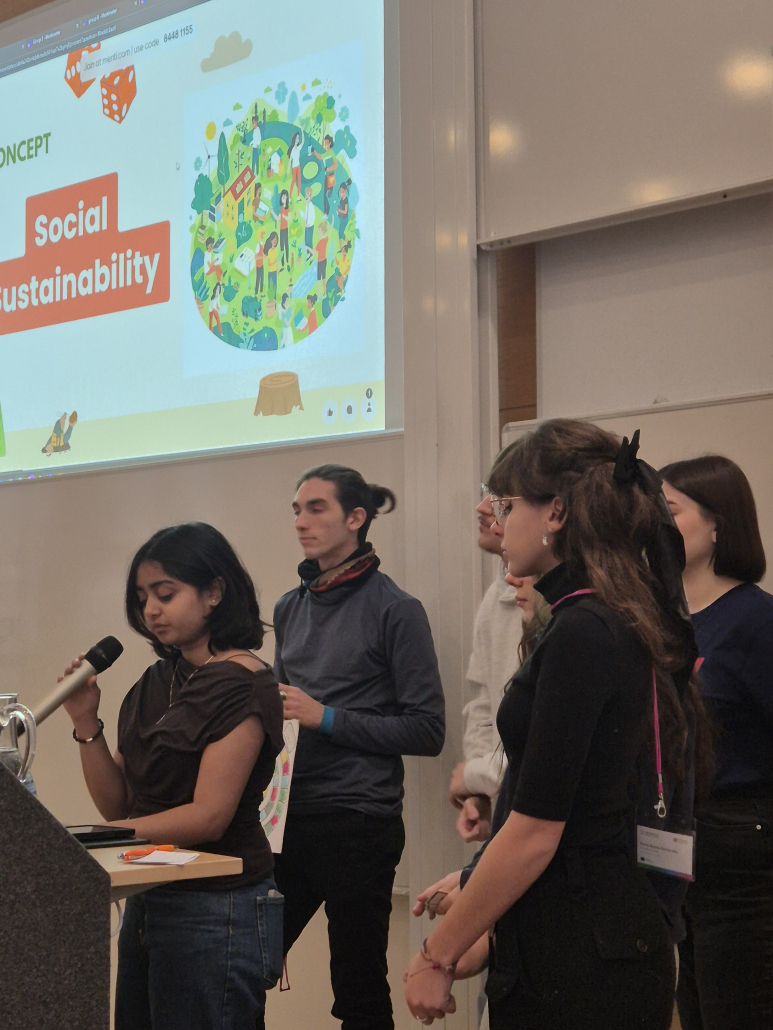
For five days, 75 students explored the ecological, economic, and social dimensions of sustainability while working in international, interdisciplinary teams. The students participated in several lectures on this year´s theme. The different dimensions of sustainability was presented and discussed by teachers from the University of Skövde, as well by social partners.
Sustainability as Gaming
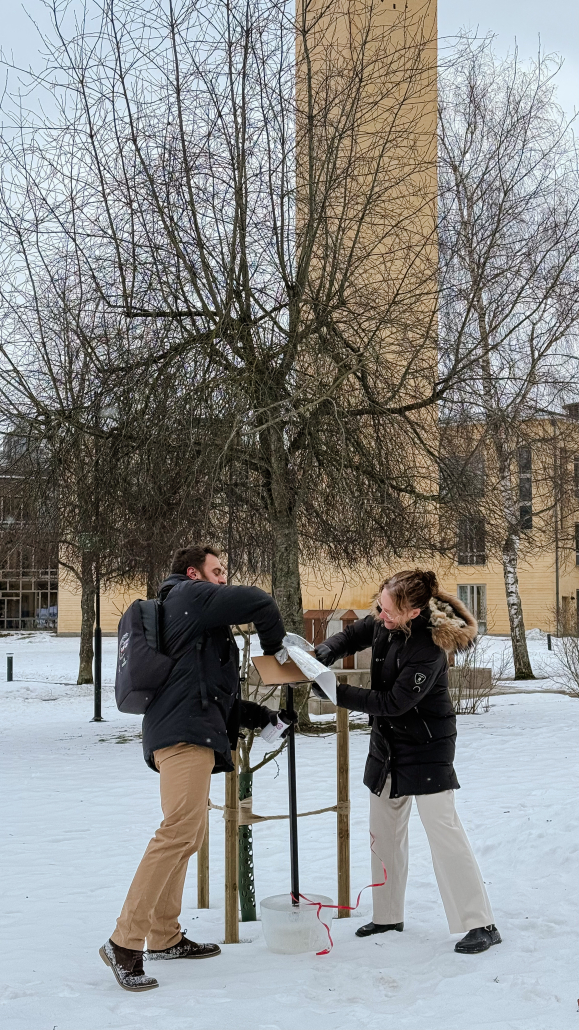
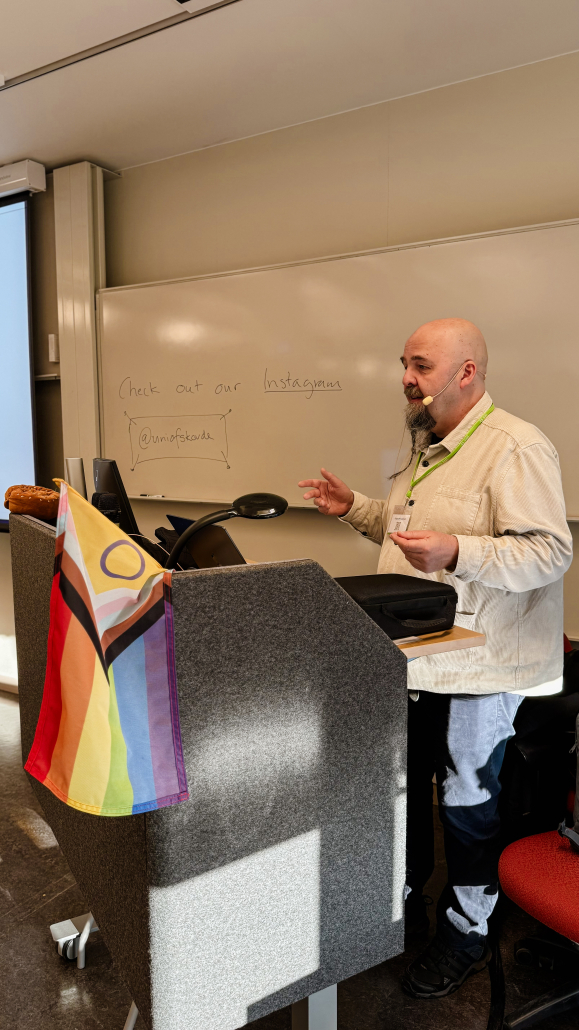
The Junior Winter School offered an opportunity to apply creativity and problem-solving skills in diverse teams, developing solutions that address sustainability challenges at both local and global levels. The teams’ outcomes were designed to be practical, relevant, and potentially applicable in real-life processes. The students got to participate in workshops on inclusion, and for two days they got to develop their own games with focus on sustainability – and present them to an audience.
The students described Junior Winter School as a very fun and intense experience where they met people from around the world, made strong friendships, and created lasting memories. They also felt they developed valuable skills like creativity, problem-solving, and social confidence, while growing personally through new experiences.
The Junior Winter School participants were able to:
- explain sustainable development from ecological, social, and economic perspectives
- analyze how human behavior, technology, culture, and social structures impact sustainability
- generate innovative solutions to real-world sustainability challenges
- strengthen their intercultural and interdisciplinary teamwork and communication skills
- reflect on group dynamics and the importance of collaboration in international contexts.





 Peter Fogel