Tag Archive for: INGENIUM BIPs 26/27

BIP School Community Development and Youth Work Approaches

Virtual Sessions:
Academic year 2026-2027

Credits:
3 ECTS

BIP Type:
Transversal / Social Sciences

Fields of Study:
Social Sciences — Community Education, Social Care, Community Development, Youth Work, School Community Development, Well-being in Education

Level of Experience:
Bachelor 

Sending partners:
MTU(+ other INGENIUM Universities)

Available Places: 25 total
Max 6 per partner university  

BIP Coordinator

Katri Schadewitz (Academic Coordinator),  katri.schadewitz@xamk.fi

Mirka Lähdeniemi (Academic Coordinator)

BIP School Community Development and Youth Work Approaches

May 10 - May 14

About the programme

This BIP, School Community Development and Youth Work Approaches, is built around lectures, workshops and workplace visits. During the BIP, students become familiar with various practical exercises and meet local school youth workers. Students work in multicultural and multiprofessional teams. 

Main themes covered: 

  • Good school community — theory, action, practices 
  • School-based youth work — theory, action, practices 
  • Peer and group relationships — theory, action, practices 
  • School satisfaction — theory, action, practices
  • Case Saimaanportti: exploring the well-being work and the promotion of community spirit at comprehensive school (classes 1 to 9) 
  • Case Esedu: well-being work at vocational college 
  • Work in multicultural and multiprofessional student teams 

The BIP has a transversal focus and is not embedded in a curriculum. It targets Community Educator students, Social Care students, and Community Development students. 

How you will learn

  • Lectures (theory on school community development, youth work, peer relationships, school satisfaction) 
  • Practical workshops (action and practice components for each theme) 
  • Workplace visits and meetings with local school youth workers 
  • Case study analysis (Saimaanportti and Esedu) 
  • Multicultural and multiprofessional team work 
  • Experiential and place-based learning in Finnish educational and community settings 

Competences you will develope

  • School community development and community spirit promotion
      • School-based and community youth work theory and practice 
      • Peer and group relationship dynamics in educational settings 
      • Well-being in school and vocational college environments 
      • Multicultural and multiprofessional collaborative teamwork 
      • Experiential learning through workplace visits and meeting local practitioners 
      • Intercultural competence across Community Education, Social Care and Community Development disciplines 

              Learning Outcomes

              After successful completion of the BIP, students will be able to: 

              • LO1. Explain and apply theories, approaches and practical methods of school community development and school-based youth work in diverse educational contexts 
              • LO2. Analyse peer and group relationship dynamics and school satisfaction, connecting theory with practical action in school community settings 
              • LO3. Evaluate real-world well-being and community development practices through case study analysis (Saimaanportti and Esedu) and workplace visits with local practitioners 
              • LO4. Collaborate effectively in multicultural and multiprofessional international student teams, drawing on complementary expertise from community education, social care and community development 
              • LO5. Reflect critically on different European approaches to school community development and youth work, connecting learning from the BIP with their own professional and academic background 

                      BIP's Programme

                      Virtual component (online activities)

                      Period: During academic year 2026-2027

                      Schedule / Contents: 

                      As part of the blended format, pre- and/or post-mobility online activities are expected to be defined by Xamk for this BIP.

                      Students must complete at least one Micro-Credential (three × 2 ECTS options available from the host institution) before joining the BIP intensive week.

                      Physical component (on-site at Xamk, Finland) 

                      Period: 10-14 May 2027

                      Programme / Contents: 

                      • Lectures on school community development, youth work, peer and group relationships, and school satisfaction 
                      • Workshops: practical exercises on all main themes (theory, action, practices) 
                      • Workplace visits: students meet local school youth workers in authentic professional settings 
                      • Case study — Saimaanportti: well-being work and promotion of community spirit at a comprehensive school (classes 1–9) 
                      • Case study — Esedu: well-being work at a vocational college 
                      • Multicultural and multiprofessional team work throughout the week 

                              Application requirements

                              To apply for this BIP you must:

                              • Be enrolled at one of the INGENIUM partner universities at the time of the programme.
                              • Apply through your home (sending) institution.
                              • Have a sufficient level of English (typically B2 or equivalent).
                              • Be available to participate in both the virtual and physical components of the BIP.
                              • Meet any specific academic or eligibility requirements indicated for this programme.

                              Students must complete at least one Micro-Credential (three × 2 ECTS options available from the host institution) before joining the BIP intensive week.

                              How to apply

                              Applications for this BIP are managed by each INGENIUM partner university.

                              To apply, please select your home university from the list below and follow the application process indicated on their page. Each institution has its own application platform and procedure.

                              BIP: Nature-Based Wellbeing Experience

                              Virtual Sessions:
                              Spring semester 2027 (prior to intensive week) 

                              Credits:
                              3 ECTS

                              BIP Type:
                              Transversal, multidisciplinary

                              Fields of Study:
                              Social care, physical education, nursing, education, community work, tourism and related fields

                              Level of Experience:
                              Bachelor / Master

                              Sending partners:
                              MTU, UdA (+ other INGENIUM Universities)

                              Available Places: 30 total
                              2 –5 students per partner university

                              BIP Coordinator
                              Anna-Kaisa Hokkanen (Academic Coordinator), anna-kaisa.hokkanen@xamk.fi

                              Tommi Pantzar (Academic Coordinator), tommi.pantzar@xamk.fi 

                              BIP: Nature-Based Wellbeing Experience
                              May 24 - May 28

                              About the programme

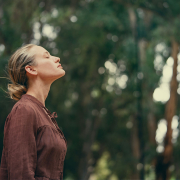
                              This BIP, Nature-Based Wellbeing Experience, offers an immersive week in clean and rich Finnish nature, combining expertise from different fields such as social care, physical education, nursing, education, community work, and tourism. Students work in nature-based, multicultural and multiprofessional teams to design innovative nature-based wellbeing solutions.

                              The main themes of the week are Sustainability, Nature-Based Wellbeing, and Experiential Learning in nature surroundings.

                              Before the BIP intensive week, students meet in 2 online sessions. These online sessions provide information and interactive tasks on the week’s programme and the possibilities of Nature-Based Wellbeing in different academic fields.

                              As part of the experiential week in Finland, students co-create nature-based wellbeing products or services, such as:

                              • Guided outdoor activities
                              • Mindfulness practices in natural settings
                              • Sustainable tourism concepts

                              These products aim to integrate sustainability, wellbeing, and practical application, making them relevant for both local and international audiences.

                              The BIP has a transversal, multidisciplinary approach to the topic of Nature-Based Wellbeing, drawing on complementary expertise from across academic disciplines. It is not embedded in a curriculum.

                              Timeline: Nature-Based Wellbeing Micro Credentials open in autumn 2026; BIP online component and intensive week take place in spring semester 2027.

                              How you will learn

                              • Experiential and outdoor learning in Finnish nature 
                              • Multidisciplinary and multiprofessional team co-creation 
                              • Online preparatory sessions with interactive tasks 
                              • Nature-based and place-based learning 
                              • Design thinking: co-creation of wellbeing products and services 
                              • Intercultural collaboration in international mixed groups 
                              • Reflection and sustainability-focused project work 

                                      Competences you will develope

                                      • Nature-based wellbeing and its applications across academic disciplines 
                                      • Sustainability and sustainable tourism concepts 
                                      • Experiential and outdoor learning in natural environments 
                                      • Multidisciplinary and multiprofessional collaboration in international teams 
                                      • Co-creation of innovative wellbeing products and services for local and international audiences 
                                      • Intercultural teamwork and communication 
                                      • Integration with Nature-Based Wellbeing Micro Credentials (prerequisite: minimum 2 ECTS) 

                                                Learning Outcomes

                                                After successful completion of the BIP, students will be able to: 

                                                • LO1. Apply nature-based wellbeing principles and methodologies from a multidisciplinary perspective, drawing on knowledge from social care, physical education, nursing, education, community work, tourism and related fields 
                                                • LO2. Co-create innovative nature-based wellbeing products or services (e.g. guided outdoor activities, mindfulness practices in natural settings, sustainable tourism concepts) that integrate sustainability, wellbeing, and practical application 
                                                • LO3. Demonstrate experiential and outdoor learning competences through active participation in nature-based activities in Finnish natural environments 
                                                • LO4. Collaborate effectively in multicultural and multiprofessional international teams, applying intercultural communication skills and shared project work 
                                                • LO5. Reflect critically on the relevance of nature-based wellbeing for both local and international audiences, connecting sustainability, health promotion, and experiential learning contexts 

                                                BIP's Programme

                                                Virtual component (online activities)

                                                Period: Spring semester 2027 (prior to intensive week)

                                                Schedule / Contents: 

                                                5–8 October 2026: 

                                                • Online session 1: information on the week’s programme and introduction to Nature-Based Wellbeing across different academic fields; interactive tasks 
                                                • Online session 2: further interactive tasks; preparation for the intensive week and team formation 

                                                Note: Students must have completed at least 2 ECTS of Nature-Based Wellbeing Micro Credentials (available from autumn 2026) before participating in the BIP. 

                                                Physical component (on-site at Xamk, Finland) 

                                                Period: 24-28 May 2027

                                                Programme / Contents: 

                                                • Immersive experiential learning week in Finnish nature 
                                                • Multicultural and multiprofessional team work: designing innovative nature-based wellbeing solutions
                                                • Co-creation of nature-based wellbeing products or services (guided outdoor activities, mindfulness practices in natural settings, sustainable tourism concepts)
                                                • Field-based activities integrating sustainability, wellbeing, and practical application
                                                • Focus themes: Sustainability, Nature-Based Wellbeing, and Experiential Learning in nature surroundings
                                                • Final presentation of co-created wellbeing products/services to local and international audiences

                                                Application requirements

                                                To apply for this BIP you must:

                                                • Be enrolled at one of the INGENIUM partner universities at the time of the programme.
                                                • Apply through your home (sending) institution.
                                                • Have a sufficient level of English (typically B2 or equivalent).
                                                • Be available to participate in both the virtual and physical components of the BIP.
                                                • Meet any specific academic or eligibility requirements indicated for this programme.

                                                Note: Students must have completed at least 2 ECTS of Nature-Based Wellbeing Micro Credentials (available from autumn 2026) before participating in the BIP. 

                                                How to apply

                                                Applications for this BIP are managed by each INGENIUM partner university.

                                                To apply, please select your home university from the list below and follow the application process indicated on their page. Each institution has its own application platform and procedure.


                                                MedChem BIP: Exploring Medicinal Chemistry – A Hands-On Journey for Future Scientists

                                                Virtual Sessions:
                                                14-18 June 2027

                                                Credits:
                                                3 ECTS

                                                BIP Type:
                                                Discipline-specific

                                                Fields of Study:
                                                Pharmacy / Medicinal Chemistry / Life Sciences — Organic Chemistry, Pharmaceutical Analysis and Technology, Biology, and Health Sciences

                                                Level of Experience:
                                                Bachelor / Master / PhD

                                                Sending partners:
                                                UNIOVI, HS, TUIASI

                                                Available Places: 18 total
                                                1-5 UNIOVI students
                                                1-5 HS students
                                                3-8 TUIASI students

                                                BIP Coordinator

                                                Prof. Cristina Maccallini (Academic Coordinator) 

                                                cristina.maccallini@unich.it 
                                                Pescara, Italy

                                                Pescara, Abruzzo Italy

                                                MedChem BIP: Exploring Medicinal Chemistry – A Hands-On Journey for Future Scientists

                                                June 7 - June 11

                                                About the programme

                                                The international course “UdA MedChem — Exploring Medicinal Chemistry: A Hands-On Journey for Future Scientists” is a BIP offered by the Department of Pharmacy of the University “G. d’Annunzio” of Chieti-Pescara, in partnership with the Department of Organic Chemistry of the University of Oviedo, the Department of Biomedicine at the School of Health Sciences of the University of Skövde, and the Faculty of Chemical Engineering and Environmental Protection of the “Gheorghe Asachi” Technical University of Iași. 

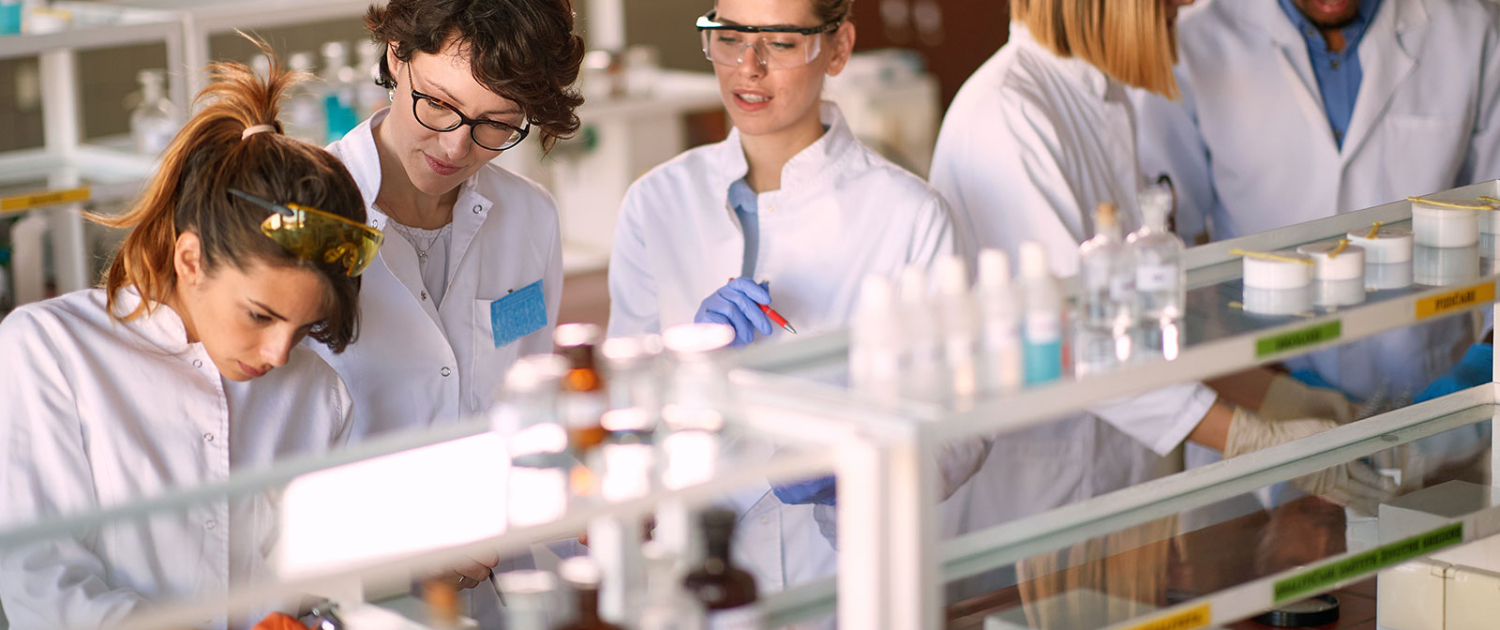
                                                The face-to-face component, hosted in the Medicinal Chemistry Laboratory (MedChemLab) of UdA, aims to inspire and equip students with practical laboratory experience, critical thinking skills, and a deeper understanding of how chemistry drives drug discovery and the development of new nutraceuticals and cosmeceuticals. 

                                                The programme addresses cross-cutting topics of importance for various scientific areas, namely students in Medicinal Chemistry, Organic Chemistry, and Pharmaceutical Analysis and Technology: 

                                                • Understanding the reactivity and physical-chemical properties of organic substances and their influence on biological activity 
                                                • Pharmaceutical analysis to guarantee quality of drugs; main methods of analysis; mechanisms of action at the molecular level 
                                                • Sources, methodologies and strategies for drug discovery and design 
                                                • Case studies and problem-based learning consolidating theoretical knowledge 
                                                • Laboratory classes demonstrating and consolidating knowledge acquired in theoretical sessions 

                                                How you will learn

                                                • Classic lectures (blackboard and PowerPoint/presentation tools) 
                                                • Case studies and problem-based learning (PBL) 
                                                • Hands-on laboratory classes in MedChemLab 
                                                • Study visit to industry or research institution 
                                                • Remote e-learning plenary lectures by partner university professors 
                                                • International and interdisciplinary teamwork 
                                                • Individual study (self-directed, supported by supplementary materials) 

                                                Assessment: laboratory work report (25%) + written exam covering all subjects of the theoretical component (75%). 

                                                Competences you will develope

                                                • Medicinal chemistry, drug synthesis, pharmaceutical analysis and drug discovery/design 
                                                • Development of nutraceuticals and cosmeceuticals — health, well-being and emerging technologies 
                                                • Hands-on laboratory skills and practical scientific experimentation 
                                                • Critical thinking and problem-based learning in interdisciplinary teams 
                                                • Internationalisation and intercultural collaboration across partner institutions 
                                                • Research collaboration and innovation in life sciences 
                                                • Alignment with the INGENIUM “Health, Well-Being, and Emerging Technologies” pathway 

                                                Learning Outcomes

                                                After successful completion of the BIP, students will be able to:

                                                • LO1. Understand the behaviour (reactivity) of organic substances and apply this knowledge to medicinal chemistry, including drug synthesis, pharmaceutical analysis, drug discovery and design, and the development of nutraceuticals and cosmeceuticals 
                                                • LO2. Analyse the reactivity and physical-chemical properties of organic substances and their influence on biological activity, and explain the mechanisms of action of drugs at the molecular level 
                                                • LO3. Apply pharmaceutical analysis methods to guarantee drug quality and describe the main sources, methodologies and strategies used for drug discovery and design 
                                                • LO4. Carry out laboratory work in medicinal chemistry, demonstrating and consolidating the theoretical knowledge acquired during the course 
                                                • LO5. Collaborate effectively in international and interdisciplinary teams and demonstrate intercultural competence in a scientific context 

                                                BIP's Programme

                                                Virtual component (online activities)

                                                Period: 14-18 June 2027

                                                Schedule / Contents: 

                                                • Remote lectures delivered by professors of the participating Foreign Universities (6 hours of remote contact — plenaries of 1 hour each) 
                                                • Topics covered: complementary perspectives from partner institutions on medicinal chemistry, pharmaceutical sciences and health sciences 

                                                  Physical component (on-site at UdA in Pescara) 

                                                  Period: 7-11 June 2027

                                                  • Classroom activity (11 hours of contact): lectures on organic reactivity, medicinal chemistry, drug synthesis, pharmaceutical analysis, drug discovery and design, nutraceuticals and cosmeceuticals 
                                                  • Laboratory practice (6 hours of contact): hands-on work in the Medicinal Chemistry Laboratory (MedChemLab) — experiments demonstrating and consolidating theoretical knowledge 
                                                  • Study visit (8 hours of contact): visit to a relevant industry or research institution 

                                                  Duration: 5 days — 25 hours of face-to-face contact 

                                                  Application requirements

                                                  To apply for this BIP you must:

                                                  • Be enrolled at one of the INGENIUM partner universities at the time of the programme.
                                                  • Apply through your home (sending) institution.
                                                  • Have a sufficient level of English (typically B2 or equivalent).
                                                  • Be available to participate in both the virtual and physical components of the BIP.
                                                  • Meet any specific academic or eligibility requirements indicated for this programme.

                                                  How to apply

                                                  Applications for this BIP are managed by each INGENIUM partner university.

                                                  To apply, please select your home university from the list below and follow the application process indicated on their page. Each institution has its own application platform and procedure.